Black-Owned Restaurants in Pensacola: A Culinary Tour
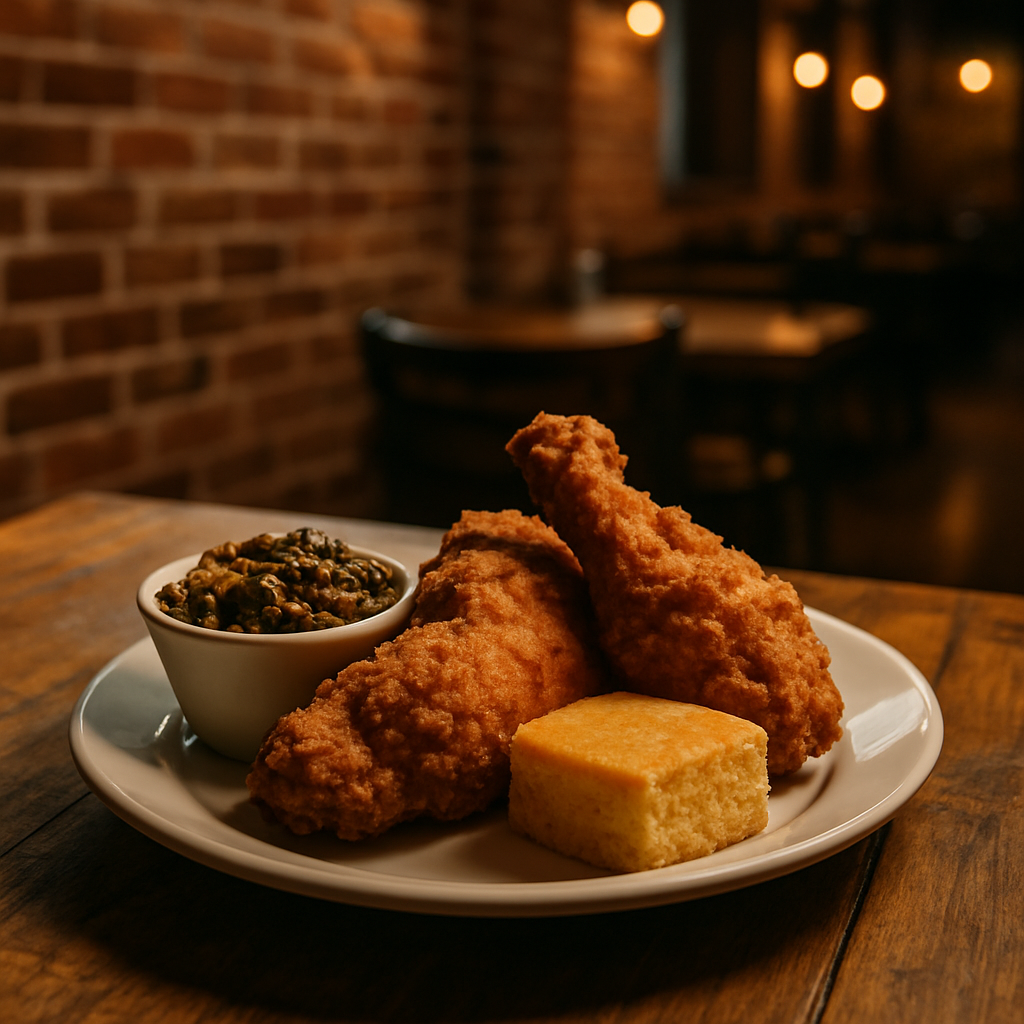
<p>Pensacola's food scene has been quietly shaped by Black kitchens for generations — from the church potlucks of Belmont-DeVilliers to the fish fries of West Pensacola. The city's flavor is, in no small part, a Black flavor. These restaurants keep that going.</p><p>We took a tour. Here is what we found.</p><h2>Belmont-DeVilliers and the Surrounding Blocks</h2><p>The neighborhood that gave Pensacola its Black business district is still giving. Chef Marcus Williams — profiled by The Beacon in 2025 — runs <strong>Taste of Belmont</strong>, a carryout and catering operation specializing in Southern soul food with Gulf Coast influence. His fried catfish, smoked chicken wings, and daily vegetable plates have built a following that now travels from as far as Gulf Breeze and Navarre to order.</p><p>Two blocks east, <strong>Cora's Home Cooking</strong> has been feeding DeVilliers Street workers for over twelve years. Cora Thomas runs it as a one-woman operation: she wakes at 4 a.m., prepped by 6, opened by 11. The menu changes daily — whatever she felt like cooking. The consistency is in the quality, not the offerings.</p><h2>West Pensacola: The Soul Food Corridor</h2><p>West Pensacola — anchored by Highway 29 and North W Street — has several long-running Black-owned establishments that rarely get mentioned in the city's restaurant guides.</p><p><strong>Willie Mae's Kitchen</strong>, on Mobile Highway, is the kind of place that closes when she runs out of food, not when the clock hits closing time. Willie Mae Denson opened it in 2008 and has never franchised, never expanded, never compromised the menu. Greens, black-eyed peas, fried chicken, and peach cobbler. No website. Word of mouth only.</p><p><strong>Big Daddy's Bar-B-Que</strong>, in the same strip, has operated for nineteen years. The smoked sausage and pulled pork have a following among construction crews, teachers, and county employees who make the drive from downtown for lunch. The sauce is proprietary, slightly sweet, and has never been replicated by any competitor in the area.</p><h2>Downtown and the Waterfront</h2><p>Downtown Pensacola's restaurant scene skews tourist-facing — but there are exceptions worth noting.</p><p><strong>Jazzy's Cafe</strong>, on Garden Street, is a Black woman-owned breakfast and lunch spot that has survived three downtown business cycles. The owner, Jazmyne Hall, describes the location as a constant negotiation: keeping prices low enough for the neighborhood, high enough to cover rent. She has been there for nine years. Most downtown restaurants do not last nine months.</p><p>The Pensacola Seafood Festival and the monthly Palafox Market draw food vendors from across the Black community — some regulars, some one-time participants. The Palafox Market, held every Sunday, has become an informal incubator: several Black food businesses that started as market booths later opened brick-and-mortar locations.</p><h2>The Numbers Do Not Capture the Story</h2><p>Escambia County's Black-owned restaurant landscape is larger than what appears in review apps and food blogs. Many operate informally: catering-only, pop-up events, church kitchens open to the public on certain days. The formal economy undercounts them significantly.</p><p>The ones that do operate formally are doing it with less: lower commercial real estate access, less access to startup capital, lower rates of business loan approval. A recent NFIC study found that Black food business owners were approved for commercial loans at roughly half the rate of white counterparts nationwide. Pensacola is not an exception.</p><p>Supporting these restaurants is simple: show up. Bring friends. Leave reviews. Share the name. The best thing you can do for a Black-owned restaurant in Pensacola is tell someone else about it.</p><p>The food has been here the whole time. Now more people are listening.</p>
Stay connected to Pensacola’s Black community
Be the first to know when new stories drop. Free to subscribe. Unsubscribe anytime.
Get stories like this in your inbox every week
The Pensacola Beacon covers Black culture, history, and community on the Gulf Coast.