The Saenger Theatre and Pensacola's Black Performing Arts Legacy
From segregated balconies to sold-out stages, the Saenger Theatre mirrors the long arc of Black artistic expression in Pensacola — a story of talent that refused to be silenced.
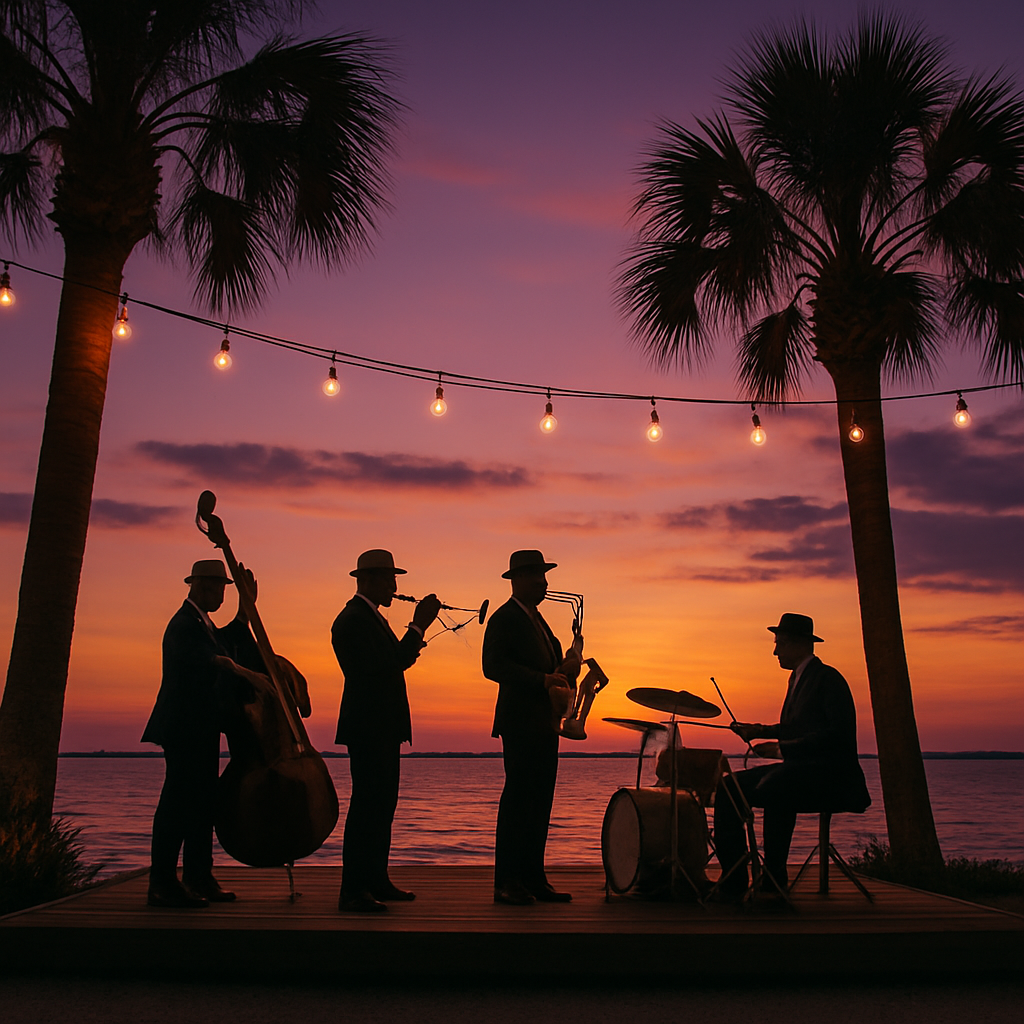
A jazz performance representing Pensacola's vibrant Black music tradition
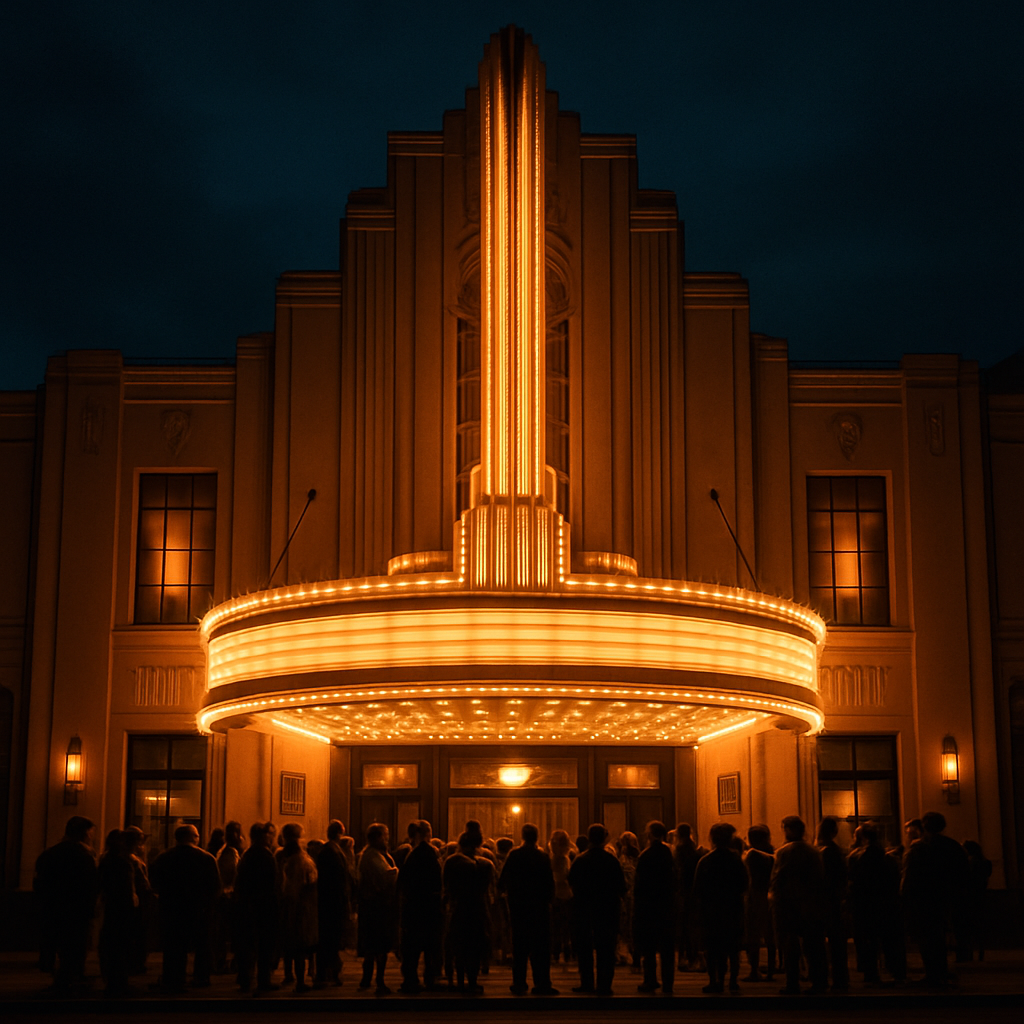
<p>On the corner of Palafox and Government streets, the Saenger Theatre has stood since 1925 as one of the Gulf Coast's most ornate performance venues. Its Spanish Baroque facade, gilded interiors, and 1,730-seat house have hosted everyone from traveling opera companies to Hollywood premieres. But behind the marquee lights, there is a parallel history — one of extraordinary Black artists who performed here under the shadow of Jim Crow, and a community that built its own stages when the main doors were closed to them.</p>
<p>Understanding that history means understanding what it took for Black Pensacolans to participate in the performing arts at all.</p>
<h2>The Balcony and the Back Door</h2>
Stay connected to Pensacola’s Black community
Be the first to know when new stories drop. Free to subscribe. Unsubscribe anytime.
<p>When the Saenger opened in the mid-1920s, segregation governed every aspect of public life in Pensacola. Black patrons who attended performances were directed to a separate entrance and relegated to the upper balcony — what many communities called "the buzzard's roost." The stage itself was neutral ground in theory, but in practice, national touring acts with Black performers navigated a web of Jim Crow restrictions that dictated where they could sleep, eat, and move through the city.</p>
<p>Nationally celebrated performers who came through Pensacola during this era — jazz musicians, gospel quartets, blues singers making their way along the Gulf Coast circuit — often found that the applause inside the theater did not extend to the hotels and restaurants outside it. The disconnect between the dignity of performance and the indignity of daily life was a constant that Black artists navigating the South understood intimately.</p>
<p>For Pensacola's own Black community, the response was not passivity. It was creation.</p>
<h2>Building Stages of Their Own</h2>
<p>Throughout the 1930s and 1940s, as the Belmont-DeVilliers corridor thrived as a hub of Black commerce and culture, Pensacola's Black residents built performance spaces that were entirely their own. Churches doubled as concert halls. Community centers hosted talent nights. Fraternal lodges like the Odd Fellows and Elks provided spaces where Black performers could develop their craft without navigating the restrictions and humiliations of segregated mainstream venues.</p>
<p>These weren't consolation prizes. They were incubators. The musicians, dancers, and vocalists who developed in these spaces drew on a richness of tradition — gospel, blues, jazz, the ring shout — that mainstream American culture was simultaneously marginalizing and stealing from. The Black performance community of Pensacola didn't wait for validation. They created audiences, built venues, and developed artists on their own terms.</p>
<p>The Chitlin' Circuit, which connected Black performance venues across the South and beyond, ran through this world. Pensacola was part of a national network of Black artistic life that predated, coexisted with, and ultimately outlasted the segregated system that tried to contain it.</p>
<h2>Integration and Its Discontents</h2>
<p>The desegregation of public venues in the 1960s brought formal access to places like the Saenger. Black Pensacolans could now sit anywhere in the house. But integration also disrupted the self-sustaining ecosystem that segregation had, paradoxically, forced into existence. When the balcony became optional, the community venues that had nurtured Black arts didn't always survive the transition.</p>
<p>This is a pattern that played out across the South. Integration meant access, but it also meant the dispersal of concentrated cultural energy. The venues, the audiences, the economic networks that had supported Black artistic life didn't automatically transfer to integrated spaces. What was gained in formal equality was sometimes lost in cultural cohesion.</p>
<p>Pensacola's Black arts community has spent decades navigating that tension — celebrating the access that came with integration while working to preserve the distinct traditions and community institutions that made that culture worth integrating into.</p>
<h2>The Saenger Restored, the Work Continues</h2>
<p>The Saenger Theatre underwent a major restoration in the 1980s and has continued operating as a premier Gulf Coast performance venue. Today it hosts Broadway touring productions, concerts, and community events that draw diverse audiences. The building that once turned Black patrons toward a separate entrance now regularly features Black performers and welcomes audiences of every background.</p>
<p>But the more meaningful work of honoring Pensacola's Black performing arts legacy happens in spaces across the city. The communities of faith that maintained choral traditions for generations. The schools where music educators kept jazz, gospel, and blues alive in their curricula. The neighborhood events, block parties, and Juneteenth celebrations where performance remains a living practice rather than a museum piece.</p>
<p>Organizations like the Pensacola Cultural Center and community arts programs in Escambia County have worked to document and transmit these traditions. But documentation is not enough. The performing arts legacy of Black Pensacola lives as long as young people are learning it, practicing it, and passing it forward.</p>
<h2>What Preservation Actually Looks Like</h2>
<p>Preservation of Black performing arts traditions in Pensacola isn't primarily about archive work, though documentation matters. It's about the choir director who spends unpaid hours after school rehearsing with students who show up because they want to, not because they have to. It's about the jazz musician who mentors the next generation not because there's funding for it but because the tradition demands continuity. It's about the church that has maintained its gospel choir for eighty years not as a historical exhibit but as a living community practice.</p>
<p>It's also about economic support. Performing arts organizations in predominantly Black communities are chronically underfunded relative to mainstream cultural institutions. The work of advocacy organizations, community foundations, and grant programs that direct resources toward Black arts organizations is not supplemental — it's essential infrastructure for cultural survival.</p>
<p>Pensacola has a performing arts legacy worth fighting for. The artists who sang in segregated balconies and built their own stages when the main doors were closed didn't do it so their work could be forgotten. They did it because making art is how a community declares its humanity, asserts its presence, and shapes its future.</p>
<p>That work continues on stages across the city — in churches, community centers, school auditoriums, and yes, the Saenger itself. The full history of who performed here, under what conditions, and what it cost them is part of what makes this community's artistic legacy worth preserving. Knowing that history is the first step toward honoring it.</p>
<h2>Supporting Black Arts in Pensacola Today</h2>
<p>Several local organizations work to sustain Black performing arts traditions in the Pensacola area. The Pensacola Cultural Center programs community events and supports local artists. The Escambia County School District's arts programs provide critical early exposure to musical traditions. Community churches maintain choral programs that have operated continuously across generations.</p>
<p>If you're looking to support this work, start locally. Attend performances by Black artists in community venues, not just mainstream stages. Support the schools and faith communities that are doing the unglamorous work of cultural transmission. And tell the stories — the ones about the balcony and the back door, and the ones about the people who refused to let that be the end of the story.</p>
Get stories like this in your inbox every week
The Pensacola Beacon covers Black culture, history, and community on the Gulf Coast.