Belmont-DeVilliers: A Neighborhood That Changed Everything
The historic heart of Black Pensacola was more than a neighborhood. It was a self-contained world of jazz clubs, theaters, and thriving businesses that shaped a city.
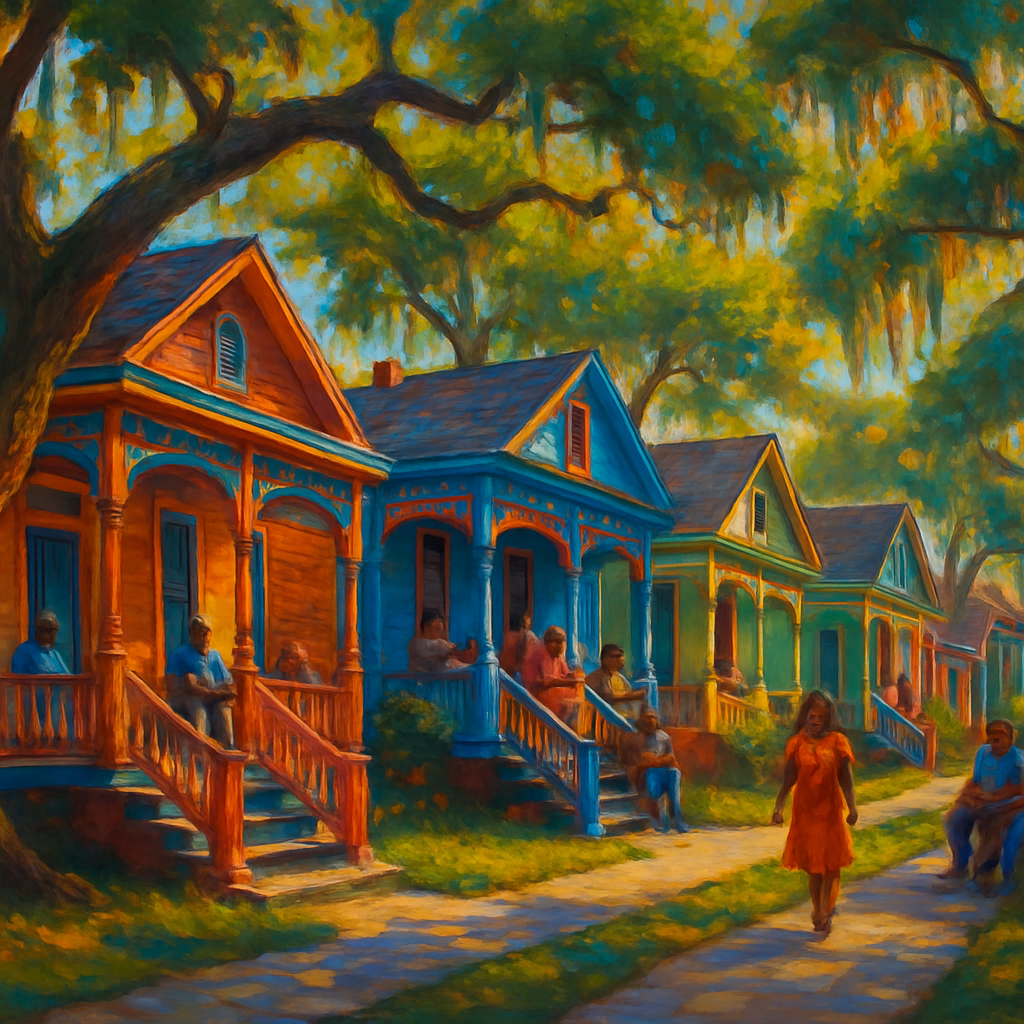
The Belmont-DeVilliers district was the cultural and economic heart of Black Pensacola for decades.
<p>There is a stretch of asphalt and oak trees in northwest Pensacola where the past is so alive you can practically hear it. Walk the blocks between Belmont Street and DeVilliers Street and you're walking through the center of Black Pensacola's history. This neighborhood didn't just participate in the story of the Gulf Coast. It <em>changed</em> the story.</p>
<h2>Origins of a District</h2>
<p>Belmont-DeVilliers took shape in the late 19th century as Pensacola's Black population concentrated in the area northwest of the downtown commercial district. By the early 1900s, it was a fully functioning community with its own economy, culture, and social institutions, built by necessity in a Jim Crow South that excluded Black residents from white civic life.</p>
Stay connected to Pensacola’s Black community
Be the first to know when new stories drop. Free to subscribe. Unsubscribe anytime.
<p>The district stretched roughly from Cervantes Street to the north down to Government Street to the south, with Belmont Street and DeVilliers Street as its twin commercial arteries. Within that grid, Black Pensacola built everything it needed.</p>
<p>"You have to understand the scale of what was here," says Dr. Lonnie Donaldson, who has spent forty years documenting the district's history. "This wasn't a few scattered businesses. This was a complete economic ecosystem. Grocery stores, pharmacies, doctors, dentists, tailors, shoe repair, restaurants, hotels, funeral homes. All Black-owned. All within walking distance."</p>
<h2>The Business District</h2>
<p>At its peak in the 1940s and 1950s, the Belmont-DeVilliers commercial strip was one of the most prosperous Black business districts in the Florida Panhandle. Estimates suggest more than 60 Black-owned businesses operated within a ten-block radius.</p>
<p><strong>Jackson's Pharmacy</strong> on DeVilliers Street served the community for over three decades. <strong>The Lincoln Theater</strong> screened first-run films for Black audiences who were barred from Pensacola's whites-only movie houses. <strong>Coleman's Tailor Shop</strong> dressed the men of the neighborhood in custom suits. <strong>The Elks Lodge</strong> served as meeting hall, dance venue, and civic gathering space.</p>
<p>Money circulated within the community multiple times before leaving. A dollar spent at Jackson's Pharmacy might end up at the Elks Lodge, then at the beauty shop, then at the grocery store. Economists call this the "multiplier effect." Residents just called it taking care of their own.</p>
<h2>Nightlife and Music</h2>
<p>When the sun went down, Belmont-DeVilliers became one of the most vibrant nightlife districts in the South. The neighborhood's clubs were key stops on the Chitlin' Circuit, the network of venues where Black performers played to Black audiences during segregation.</p>
<p><strong>Abe's 506 Club</strong> on Belmont Street was the epicenter. Ray Charles played there before he was Ray Charles. James Brown performed at the <strong>Savoy Ballroom</strong> on DeVilliers Street, a venue with a capacity of over 500 that drew crowds from across the Panhandle. <strong>The Paradise Club</strong>, smaller and grittier, was where local musicians cut their teeth.</p>
<p>"Friday and Saturday nights, you couldn't move through those blocks," recalls Harold Stevens, 79, who grew up on A Street. "Music coming out of every doorway. People dressed to the nines. The smell of fried fish and perfume in the air. It was magic."</p>
<p>The music scene wasn't just entertainment. It was economic infrastructure. Clubs employed dozens of people. Musicians spent money in the community. Touring acts brought outside dollars into the neighborhood. The cultural economy and the business economy were the same economy.</p>
<h2>Churches and Institutions</h2>
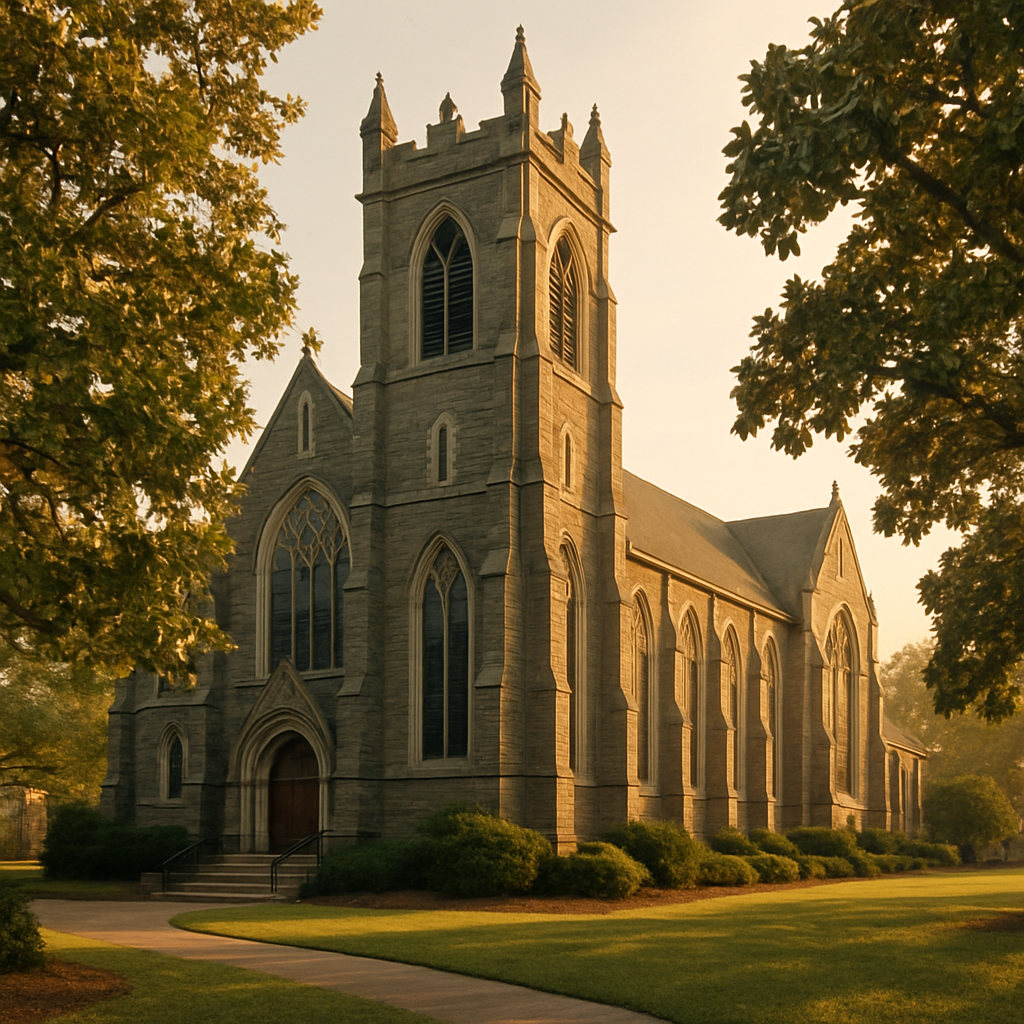
<p>The neighborhood's institutional life ran deep. <strong>Greater Union Baptist Church</strong>, <strong>St. Paul AME Church</strong>, and <strong>Allen Chapel AME Church</strong> anchored the spiritual life of the community. They also served as organizing centers for civil rights activism, voter registration drives, and mutual aid networks.</p>
<p><strong>Booker T. Washington High School</strong>, the area's Black high school, produced generations of graduates who went on to leadership positions across the Gulf Coast and beyond. The school's marching band, debate team, and athletics programs were sources of immense community pride.</p>
<p>"Everything revolved around the church and the school," says Dr. Donaldson. "Those were the two pillars. If the businesses were the body of the community, the churches and schools were its soul."</p>
<h2>The Destruction</h2>
<p>In the late 1960s and early 1970s, the federal urban renewal program came to Belmont-DeVilliers. The stated goal was to clear "blight" and modernize the area. The actual result was the near-total destruction of the neighborhood's built environment.</p>
<p>Entire blocks were condemned and demolished. Families who had owned homes for generations were displaced. Businesses that had served the community for decades were shuttered. The Lincoln Theater was torn down. Many of the clubs along Belmont Street were razed.</p>
<p>The highway projects that followed cut through the neighborhood, severing the connections between blocks that had functioned as a unified community. What couldn't be demolished was isolated.</p>
<p>"They called it renewal," Stevens says, his voice quiet. "There was nothing renewed about it. They erased us."</p>
<h2>Remembering and Rebuilding</h2>
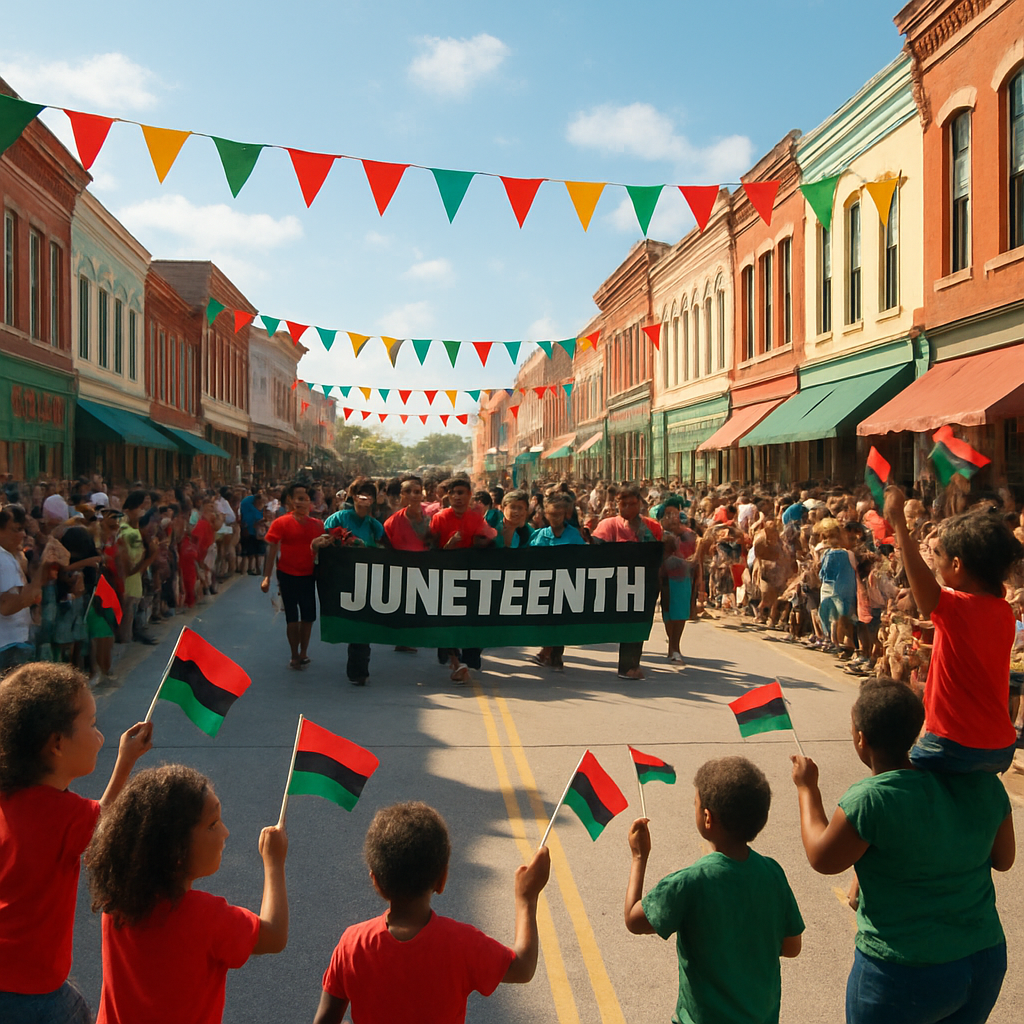
<p>Today, the Belmont-DeVilliers Heritage Trail marks significant historic sites throughout the district. Historical markers tell the stories of the businesses, churches, and cultural venues that once thrived. The annual Belmont-DeVilliers Street Festival draws thousands to celebrate the neighborhood's legacy.</p>
<p>New investment is beginning to flow into the area. Black-owned businesses are opening again. Community organizations are working to ensure that development benefits current residents rather than displacing them. The City of Pensacola has designated the district as a Community Redevelopment Area, directing tax increment financing toward neighborhood improvement.</p>
<p>But the conversation about Belmont-DeVilliers is no longer just about what was lost. It's about what was built. A community that created a complete world for itself under the most oppressive conditions imaginable. A neighborhood that produced musicians, entrepreneurs, educators, and leaders who shaped the Gulf Coast for generations.</p>
<p>Belmont-DeVilliers didn't just change Pensacola. It changed what was possible.</p>
<p class="further-reading"><strong>Further reading:</strong> <a href="/articles/chitlin-circuit-belmont-devilliers">The Chitlin' Circuit: When Belmont-DeVilliers Was the Heart of Black Music</a> · <a href="/articles/belmont-devilliers-black-business-thrived">Belmont-DeVilliers: Where Black Business Thrived</a> · <a href="/articles/jazz-on-the-gulf-pensacola-live-music">Jazz on the Gulf: Inside Pensacola's Thriving Live Music Scene</a></p>
Get stories like this in your inbox every week
The Pensacola Beacon covers Black culture, history, and community on the Gulf Coast.