The Legacy of Pensacola's Black Churches: Faith, Community, and Civil Rights
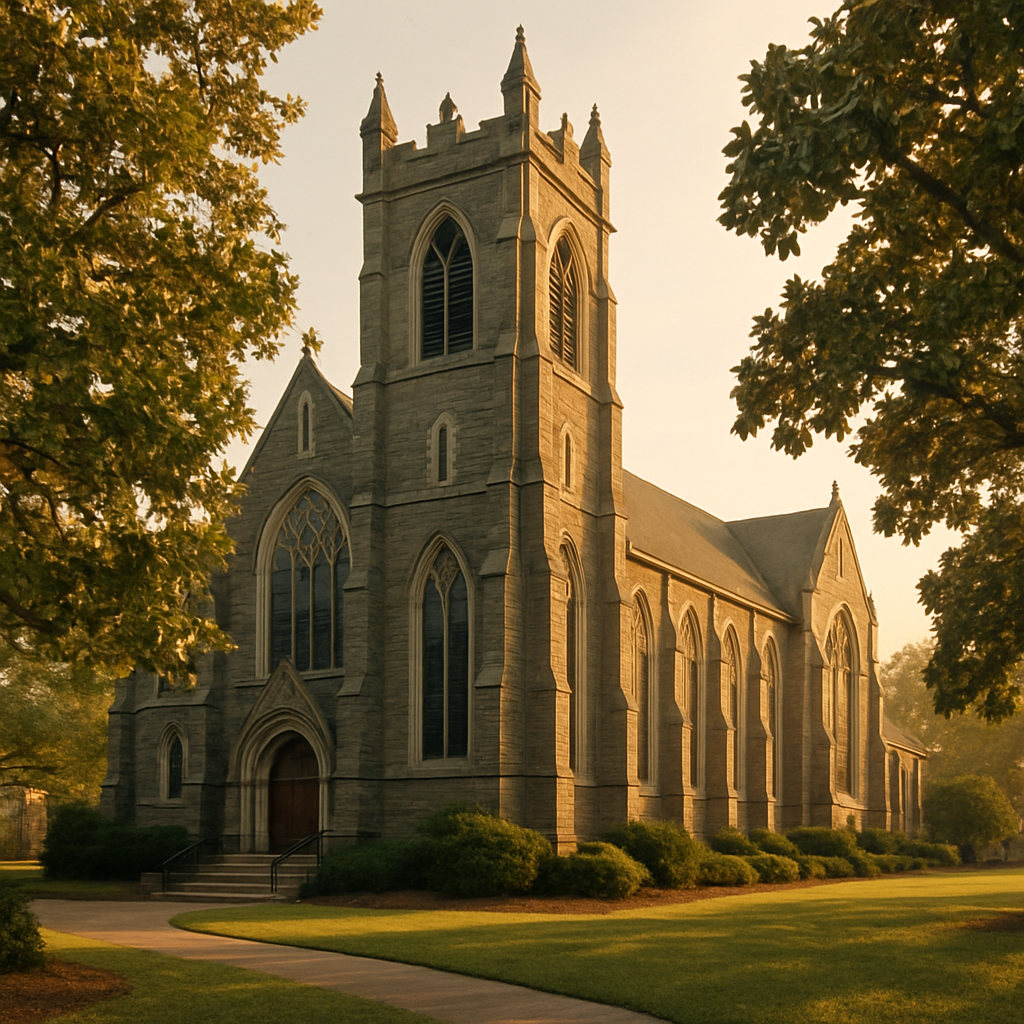
<p>In Pensacola, the Black church has always been more than a place of worship. It has been a schoolhouse, a civic center, a protest ground, and the beating heart of neighborhood life for over 150 years.</p><p>From the end of the Civil War through Jim Crow and into the civil rights era, Black churches in Pensacola stood as the primary institutions where Black life — spiritual, social, political — was organized and sustained. Today, their influence persists in ways both seen and unseen across the city.</p><h2>After the War: Building Sacred Ground</h2><p>Following emancipation in 1865, formerly enslaved people in Pensacola moved quickly to establish their own churches. Before the war, they had been required to worship alongside enslavers — if they worshipped at all. Now, free people built their own spaces.</p><p>Mt. Olive African Methodist Episcopal Church, founded in 1865, is among the oldest Black congregations in the city. Historic St. John AME, established the same year, became a landmark on DeVilliers Street. These churches were not simply spiritual refuges — they were acts of collective self-determination, funded by Black dollars and governed by Black hands at a time when neither was guaranteed anywhere else.</p><h2>The Jim Crow Era: Schools, Savings, and Shelter</h2><p>When segregation shut Black children out of white schools, churches opened classrooms. When banks refused to lend to Black families, church basements became savings circles. When vagrancy laws criminalized Black presence in white spaces, church walls offered shelter.</p><p>Churches like St. Joseph's and Bethlehem Missionary Baptist became informal community centers, hosting literacy classes, mutual aid societies, and youth programs. The pastors were sometimes the most educated people in the neighborhood — not because they had formal degrees, but because they had access to newspapers, correspondence networks, and outside institutions that most residents did not.</p><p>In Belmont-DeVilliers, the corridor between Palafox and DeVilliers streets had three Black churches within two blocks in the 1920s — each one a pillar holding up the neighborhood's social architecture.</p><h2>The Civil Rights Era: Pulpits as Platforms</h2><p>Pensacola's civil rights movement had unmistakable church roots. Ministers organized marches, coordinated legal challenges, and used Sunday services as mass meetings. Rev. H.Y. Hedgpath of Mount Olive A.M.E. and Rev. H.C. Bell of St. John A.M.E. were named in civil rights litigation as community leaders instrumental to school desegregation efforts in the 1960s.</p><p>Churches provided bail money, legal defense coordination, and the physical space for planning. They were the infrastructure of resistance at a time when no other institution existed for Black communities.</p><p>The role of Black women in church leadership during this period has often gone unrecorded. Church mothers — elders, deaconesses, choir directors — managed logistics, fed marchers, kept records, and held the organizational structure together. They are the reason most of what we know about those years survived.</p><h2>The Churches Today: Still Standing, Still Building</h2><p>Many historic Black churches in Pensacola are still active, though the neighborhoods around them have changed. St. John A.M.E. remains at its original DeVilliers Street location. Several others have relocated or consolidated as populations shifted westward.</p><p>Today's Black churches in Pensacola face new challenges: aging buildings, declining membership among younger generations, and the question of what role a church plays in a neighborhood where many residents are neither poor nor disconnected from mainstream institutions. Some have answered by becoming community development corporations, substance abuse recovery centers, financial literacy programs, and early childhood education sites.</p><p>The shift is less a departure from tradition than a continuation of it. The Black church in Pensacola has always done what the neighborhood needed it to do.</p><p>Faith, in this city's Black communities, has never been only about Sunday mornings. It has been about building something that lasts — institutions that outlast the people who build them, that continue serving long after the founders are gone.</p><p>That is the legacy. And it is far from finished.</p>
Stay connected to Pensacola’s Black community
Be the first to know when new stories drop. Free to subscribe. Unsubscribe anytime.
Get stories like this in your inbox every week
The Pensacola Beacon covers Black culture, history, and community on the Gulf Coast.