The Chitlin' Circuit: When Belmont-DeVilliers Was the Heart of Black Music
Before Motown, before Nashville, there was Belmont-DeVilliers. A look back at the Pensacola neighborhood that hosted the greatest names in Black music.
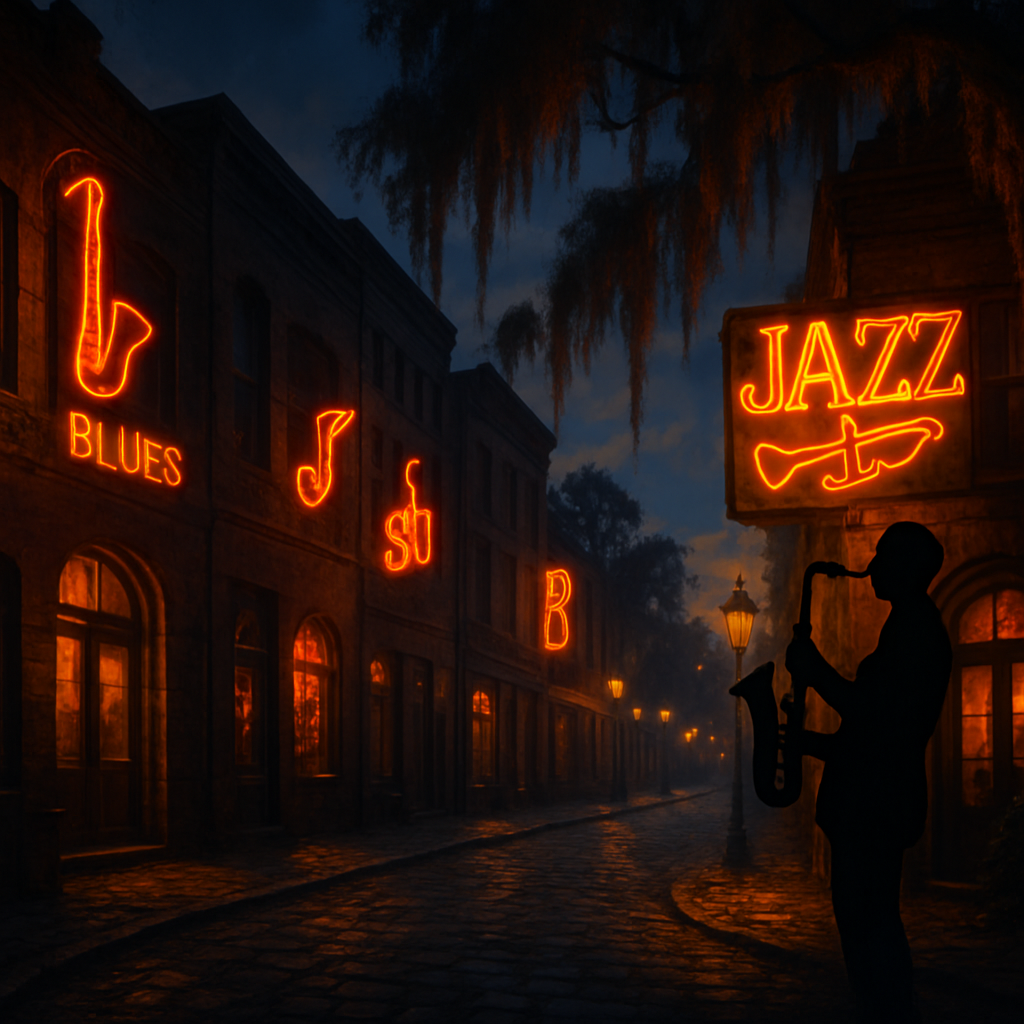
The spirit of live music lives on in Pensacola's Belmont-DeVilliers district.
<p>Walk down Belmont Street today and you'll see a neighborhood rebuilding. But close your eyes and you can almost hear it. The horns. The laughter. The bass lines rattling the walls of Abe's 506 Club.</p>
<p>From the 1920s through the 1960s, the Belmont-DeVilliers district was one of the most important stops on the Chitlin' Circuit, the network of venues across the American South where Black performers could play to Black audiences during the Jim Crow era. And Pensacola's corner of that circuit was something special.</p>
<h2>The Golden Years</h2>
Stay connected to Pensacola’s Black community
Be the first to know when new stories drop. Free to subscribe. Unsubscribe anytime.
<p><strong>Louis Armstrong played here.</strong> So did James Brown, Ray Charles, Aretha Franklin, B.B. King, and Fats Domino. The neighborhood had more than a dozen clubs, restaurants, and juke joints packed into a few blocks. On any given Saturday night, you could walk from one end of Belmont to the other and never stop hearing music.</p>
<p>The Savoy Ballroom on DeVilliers Street was the crown jewel. With a capacity of over 500, it hosted the biggest touring acts and the best local talent. But the smaller clubs mattered just as much. Places like the Elks Lodge, the Paradise Club, and Abe's 506 gave local musicians a place to develop their craft and audiences a place to gather.</p>
<h2>More Than Music</h2>
<p>Belmont-DeVilliers wasn't just a music district. It was the economic and cultural center of Black Pensacola. Black-owned pharmacies, grocery stores, beauty shops, and professional offices lined the streets. The neighborhood had its own doctors, lawyers, and dentists at a time when segregation meant Black residents couldn't access white-owned services.</p>
<p>"It was a complete community," says local historian Dr. Lonnie Donaldson. "You could be born, raised, educated, employed, entertained, and buried all within those few blocks. It was self-sufficient by necessity, and it thrived."</p>
<h2>What Remains</h2>
<p>Urban renewal programs in the late 1960s and early 1970s devastated the district. Many buildings were demolished. Businesses relocated or closed. The Chitlin' Circuit faded as integration opened new venues to Black performers, and the neighborhood lost its economic engine.</p>
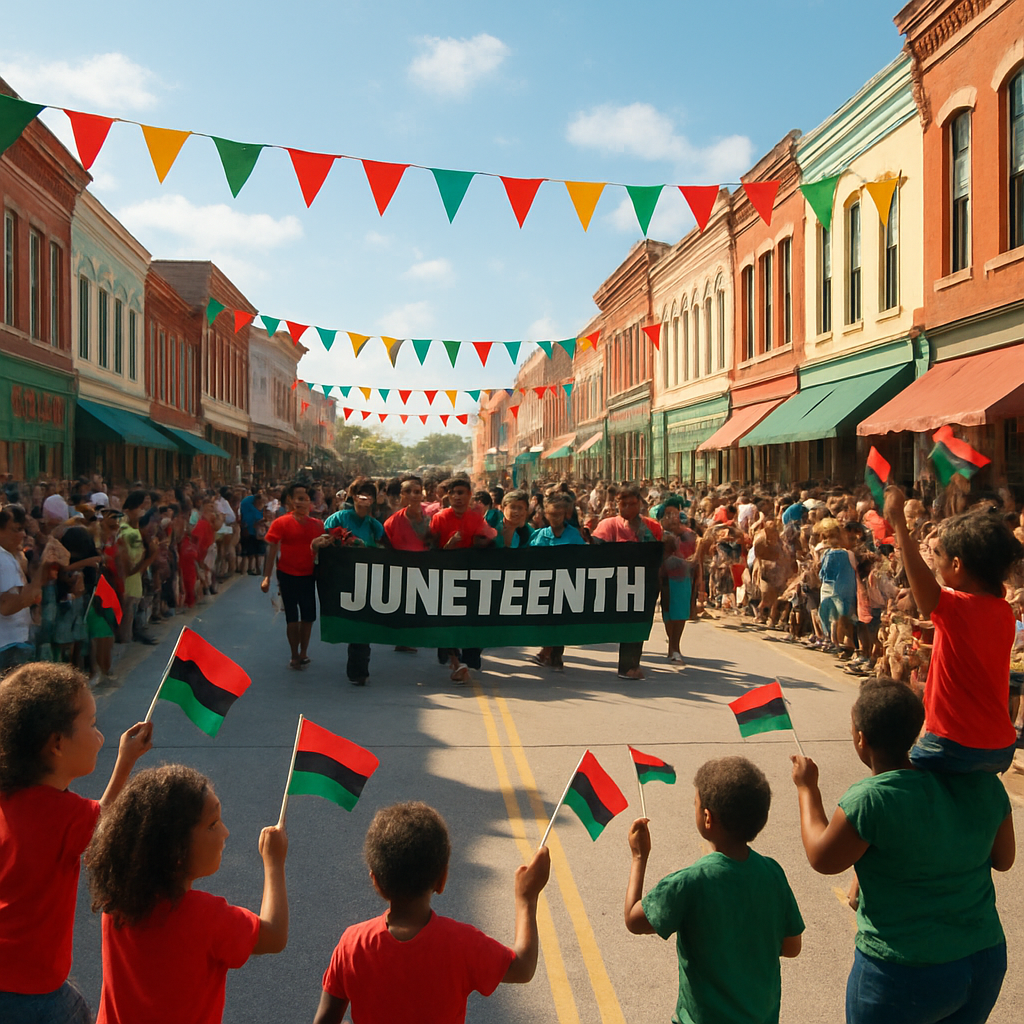
<p>But the memory persists. The Belmont-DeVilliers Heritage Trail now marks significant sites. The annual DeLuna Fest and Belmont-DeVilliers Street Festival celebrate the neighborhood's legacy. And a new generation of Black-owned businesses is beginning to invest in the area again.</p>
<p>The music may have quieted, but the story of Belmont-DeVilliers is far from over. It's a story of what Black communities can build when they build for themselves. And it's a story that deserves to be told loud.</p>
<p class="further-reading"><strong>Further reading:</strong> <a href="/articles/belmont-devilliers-black-business-thrived">Belmont-DeVilliers: Where Black Business Thrived</a> · <a href="/articles/jazz-on-the-gulf-pensacola-live-music">Jazz on the Gulf: Inside Pensacola's Thriving Live Music Scene</a> · <a href="/articles/women-who-built-black-pensacola">The Women Who Built Black Pensacola</a></p>
Get stories like this in your inbox every week
The Pensacola Beacon covers Black culture, history, and community on the Gulf Coast.