From FAMU to the Newsroom: Black Journalists Making Pensacola's Stories Heard
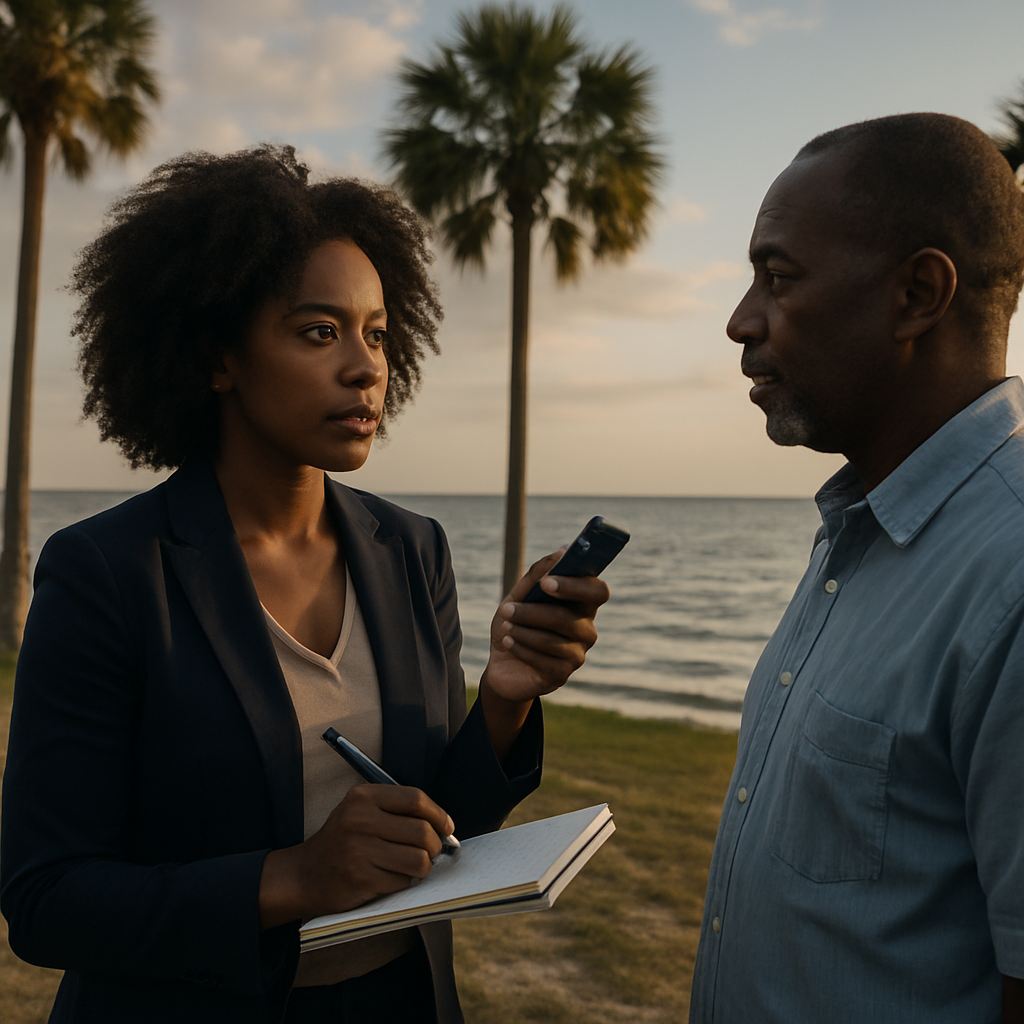
<p>The Florida A&M University School of Journalism has been producing Black journalists for nearly 70 years. Many of them came home to the Gulf Coast — or never really left. Their bylines built careers and preserved a history that white-owned papers ignored.</p><p>The Pensacola Beacon is built on that tradition. Our scholarship program exists because we believe the next great Black journalist might be in Belmont-DeVilliers right now, writing for nobody, building a portfolio nobody publishes. We want to change that.</p><h2>The Pipeline FAMU Built</h2><p>FAMU's journalism program was designed with a specific purpose: to train Black reporters and editors for Black publications. In an era when white-owned newspapers employed almost no Black journalists, FAMU gave students a path into the profession that did not require assimilation or compromise.</p><p>Pensacola had no shortage of FAMU graduates who came home and went to work. The Pensacola Times Journal, a Black-owned weekly that ran from the 1960s through the 1990s, was built largely by FAMU alumni. Readers trusted it because the reporters came from the same streets they did.</p><h2>The Stories They Covered That Nobody Else Would</h2><p>Local Black newspapers covered what the white press ignored: school board meetings that affected Black children, businesses opening on DeVilliers Street, civil rights arrests, church fundraisers, neighborhood crime that got no mention in the larger papers.</p><p>This coverage was not trivial. It was the record. It was what future researchers, historians, and community members would use to understand what actually happened in this city — not the version sanitized for white audiences.</p><p>Several FAMU alumni who covered Pensacola in the 1970s and 1980s went on to work at larger publications — the Tampa Bay Times, the Miami Herald, and in rare cases national outlets. But many stayed, because Pensacola needed coverage that was not coming from anywhere else.</p><h2>What That Means for Us Today</h2><p>The news industry is not what it was. Staff sizes have shrunk across every outlet. The Pensacola News Journal — the largest remaining daily — employs a fraction of the reporters it did in 2000. Coverage of Black communities in Escambia County has thinned to nearly nothing.</p><p>This is not unique to Pensacola. It is happening everywhere. But the impact is felt most acutely in communities that were already underserved.</p><p>The Beacon's scholarship program is our answer to that gap. We fund Black students pursuing media and journalism degrees — with the expectation that when they graduate, they will tell the stories that need telling in this city. Not just about Black Pensacola, but about everything: city hall, schools, small business, culture, food, crime, recovery, growth.</p><p>The goal is not to create a Black press that only covers Black communities. The goal is to build a pipeline of Black journalists who are present in every newsroom, covering every story, with full institutional knowledge of this place and these people.</p><h2>Apply for the 2026 Scholarship</h2><p>If you are a Black student from Northwest Florida pursuing a degree in journalism, communications, media studies, or a related field, we want to hear from you. Applications are open now at our <a href=/scholarships>scholarships page</a>.</p><p>You do not need to have a portfolio. You do not need a 4.0 GPA. You need to be enrolled or planning to enroll in a journalism or media program, and you need to be from this region. That is enough to start.</p><p>FAMU's legacy is not in the buildings or the archives. It is in the reporters who went out every day and wrote the truth about their city — even when nobody else was writing it. That is the legacy we are trying to extend.</p>
Stay connected to Pensacola’s Black community
Be the first to know when new stories drop. Free to subscribe. Unsubscribe anytime.
Get stories like this in your inbox every week
The Pensacola Beacon covers Black culture, history, and community on the Gulf Coast.