Fort Pickens: A Beacon of Freedom on the Gulf Coast
The Civil War-era fort on Santa Rosa Island was more than a military outpost. For freedom seekers, it was a gateway to a new life.
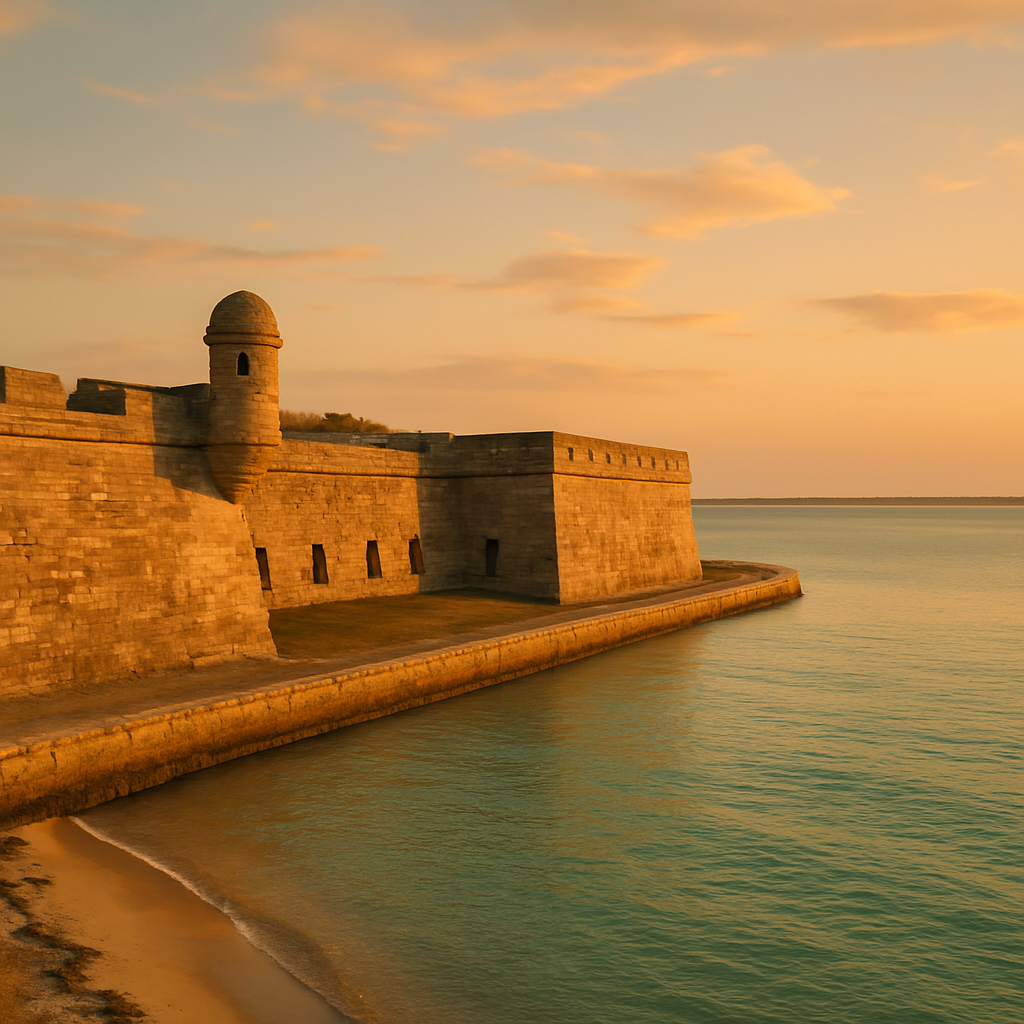
Fort Pickens on Santa Rosa Island served as a beacon of freedom during the Civil War.
<p>Standing on the weathered brick walls of Fort Pickens, looking out over the emerald waters of the Gulf of Mexico, it's easy to see only a historic military installation. The fort is a popular stop for tourists visiting the Gulf Islands National Seashore, known for its impressive architecture and its role in holding Geronimo as a prisoner of war.</p>
<p>But for Black Americans, Fort Pickens holds a deeper significance. During the Civil War, this fort became one of the most important beacons of freedom on the entire Gulf Coast.</p>
<h2>Sanctuary on the Sand</h2>
Stay connected to Pensacola’s Black community
Be the first to know when new stories drop. Free to subscribe. Unsubscribe anytime.
<p>When the Civil War broke out in 1861, Fort Pickens remained in Union hands, even as the rest of the Pensacola area fell under Confederate control. This made it a magnetic target for freedom seekers, enslaved people who risked everything to cross Pensacola Bay and reach the Union-held fort.</p>
<p>The journey was treacherous. Freedom seekers had to navigate Confederate patrols, cross miles of open water, and arrive at a military installation that didn't always welcome them with open arms. But they came anyway, because the alternative was worse.</p>
<p>"The records show dozens of freedom seekers arriving at Fort Pickens throughout the war," says Dr. Cheryl Nichols, a historian at the University of West Florida. "Some arrived alone. Some brought their entire families. All of them were taking a gamble that freedom was worth the risk."</p>
<h2>Contraband and Liberation</h2>
<p>Under the Union's "contraband" policy, freedom seekers who reached Union lines were not returned to enslavers. Instead, many were put to work supporting the Union war effort, building fortifications, working as laborers, cooks, and launderers, and eventually serving as soldiers.</p>
<p>Fort Pickens became part of a broader network of freedom, now recognized by the National Park Service as part of the Underground Railroad Network to Freedom. The designation, granted in recent years, formally acknowledges the fort's role in the long struggle for Black liberation.</p>
<h2>Remembering</h2>
<p>Today, the National Park Service interprets this history through guided tours and educational programs. But local activists and historians argue there's more work to do. There is no permanent monument at Fort Pickens specifically honoring the freedom seekers who risked their lives to reach it.</p>
<p>"We owe them a monument," says community advocate Patricia Howard. "Not just a plaque. A real monument that says: people came here to be free, and this place gave them that chance."</p>
<p>Until that monument exists, the stories carry the weight. And The Pensacola Beacon will keep telling them.</p>
<p class="further-reading"><strong>Further reading:</strong> <a href="/articles/juneteenth-gulf-coast-history-celebration-resistance">Juneteenth on the Gulf Coast: A History of Celebration and Resistance</a> · <a href="/articles/belmont-devilliers-neighborhood-changed-everything">Belmont-DeVilliers: A Neighborhood That Changed Everything</a> · <a href="/articles/chappie-james-pensacola-trailblazer">General Chappie James: Pensacola's Trailblazer in the Skies</a></p>
Get stories like this in your inbox every week
The Pensacola Beacon covers Black culture, history, and community on the Gulf Coast.