Juneteenth on the Gulf Coast: A History of Celebration and Resistance
From Reconstruction-era jubilees in Pensacola to the federal holiday recognized in 2021, the story of Juneteenth on the Gulf Coast is one of perseverance, community, and the ongoing work of freedom.
<p>On June 19, 1865, Union soldiers arrived in Galveston, Texas, and announced that enslaved people were free — more than two months after the Confederate surrender at Appomattox. That date, Juneteenth, became the oldest nationally celebrated commemoration of the end of slavery in the United States. But its story on the Gulf Coast runs deeper and longer than most Americans know.</p>
<h2>Reconstruction and the First Celebrations</h2>
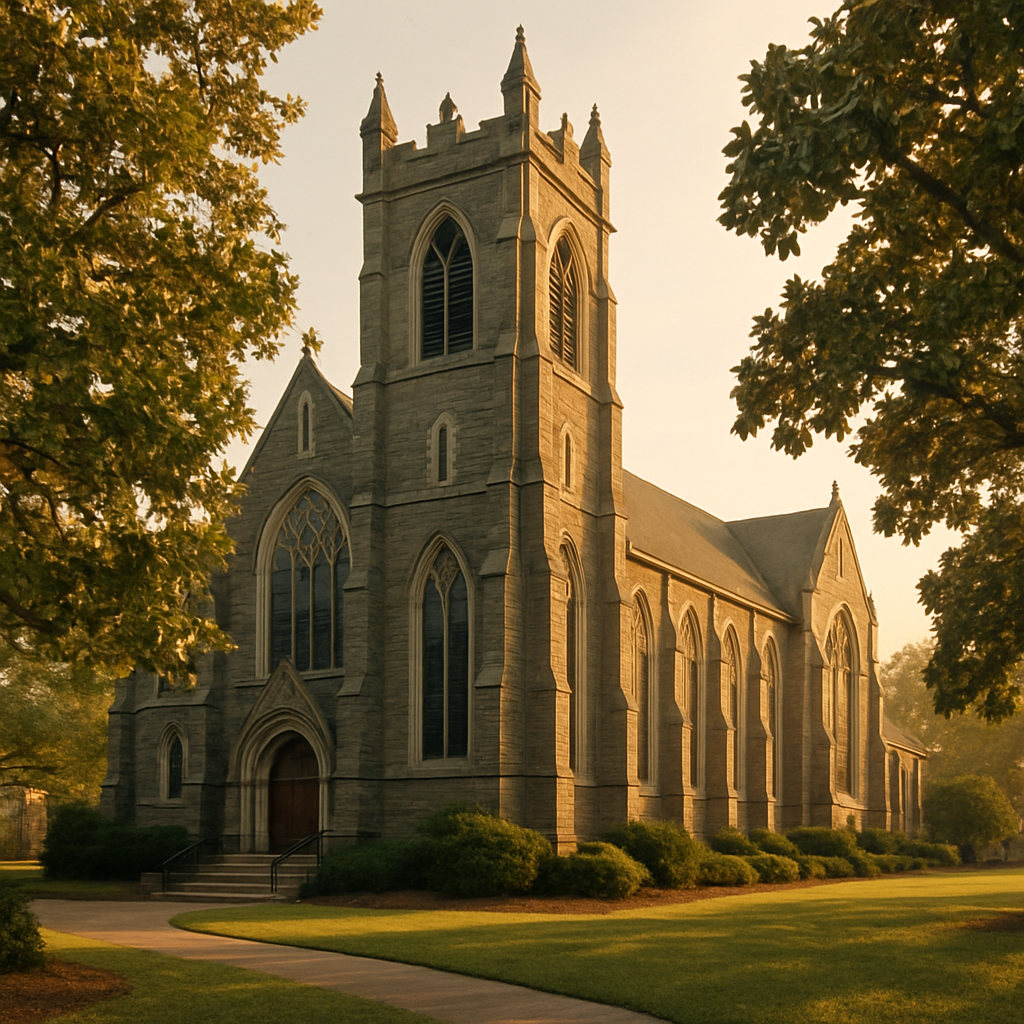
<p>Pensacola's Black community — one of the oldest in the South — began observing Juneteenth almost immediately after the war. The city's free Black population, which predated the Civil War and included Creole families with roots stretching back to Spanish colonial rule, helped anchor the new celebrations with institutional weight. Black churches on the north side of Pensacola organized the earliest gatherings: prayer services at dawn, followed by readings of the Emancipation Proclamation, communal meals, and jubilee singing that carried well into the evening.</p>
Stay connected to Pensacola’s Black community
Be the first to know when new stories drop. Free to subscribe. Unsubscribe anytime.
<p>These were not merely parties. They were acts of political assertion. During Reconstruction, when formerly enslaved people voted, held office, and built schools, Juneteenth became a calendar marker of what freedom meant — and what it could become. Black elected officials in Escambia County attended the celebrations. Speeches connected June 19th to the promise of full citizenship.</p>
<h2>The Jim Crow Years: Resistance in Plain Sight</h2>
<p>After Reconstruction collapsed and Jim Crow took hold across the Gulf Coast, Juneteenth celebrations didn't disappear — they went underground and into Black-owned spaces. White-owned parks were off limits. Public squares required permission rarely given. So communities built their own.</p>
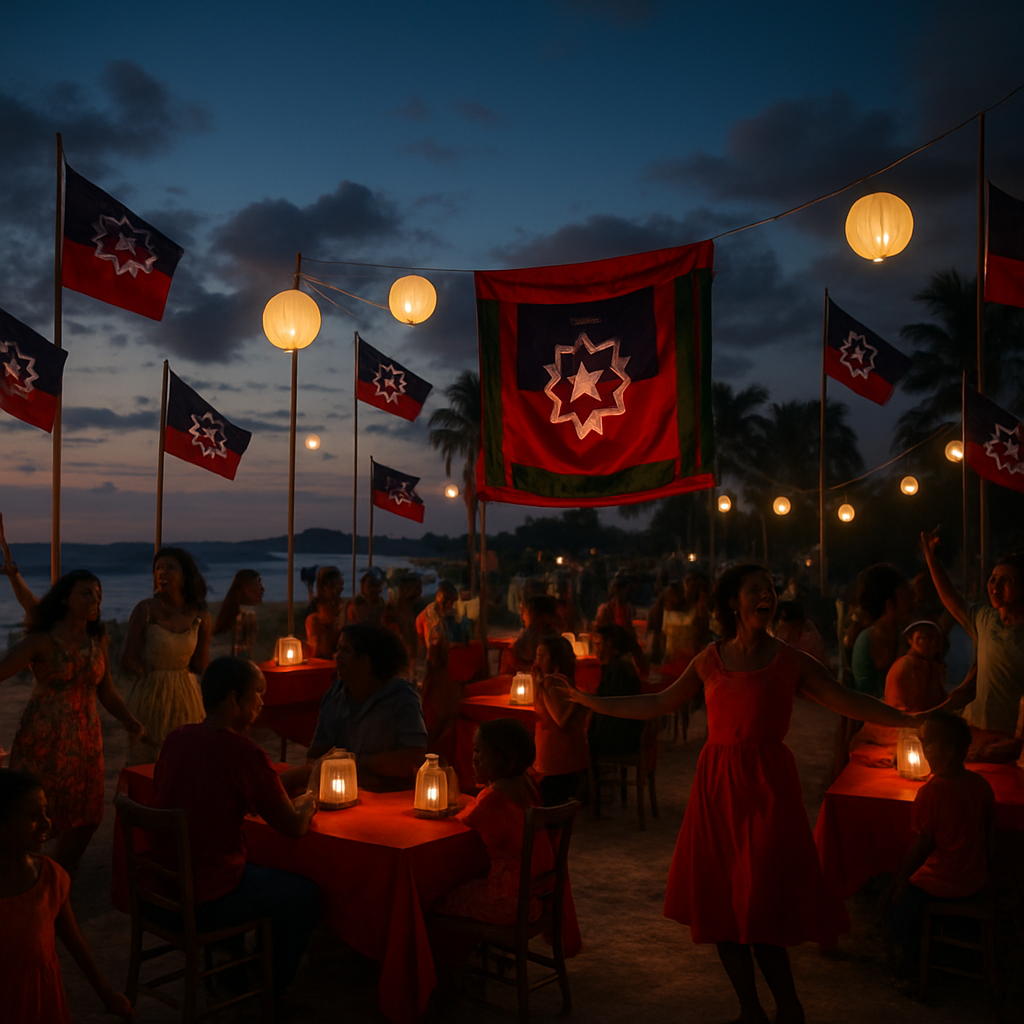
<p>In Pensacola, Juneteenth shifted to church grounds, fraternal lodge halls, and the stretches of waterfront accessible to Black families. The celebration became an annual ritual of affirmation in years when every other institution was designed to tell Black people they didn't matter. Families drove from Brewton, Atmore, and Flomaton to gather. Grandmothers recited names of the enslaved — their own grandparents — to children who would otherwise never know them.</p>
<p>Across the wider Gulf Coast, similar patterns held. Mobile's Black communities organized Juneteenth picnics in the face of segregation. In the Florida Panhandle and along the Alabama coast, the day persisted as what scholar Daina Ramey Berry has called "a grassroots freedom holiday" — sustained entirely by Black people, without government recognition, without commercial backing, without anyone's permission.</p>
<h2>The Civil Rights Era and a Changing Observance</h2>
<p>By the 1960s, Juneteenth observances had evolved alongside the larger freedom movement. In Pensacola — a city that would see significant civil rights organizing through the 1970s led by figures like Rev. H.K. Matthews and the Southern Christian Leadership Conference — the holiday took on sharper political edges. Freedom songs blended with jubilee spirituals. Community organizing meetings followed the picnics.</p>
<p>The intersection of Juneteenth and the civil rights movement was not coincidental. Both drew from the same wells: the unfinished business of emancipation, the gap between legal freedom and lived freedom, the insistence that Black lives and Black history belonged in the public square.</p>
<h2>The Modern Revival</h2>
<p>By the 1980s and 1990s, Juneteenth celebrations had grown beyond their Gulf Coast roots into a national movement. Texas made it a state holiday in 1980 — the first state to do so. Other states followed slowly. In Pensacola, the holiday reentered public life with renewed energy: festivals at Community Maritime Park, cultural programming at local museums, and events organized by the Pensacola chapter of the NAACP drew thousands.</p>
<p>Local organizations including the African American Heritage Society of Northwest Florida became custodians of the celebration's historical dimension — ensuring that the jubilee didn't lose its roots in the brutal specifics of slavery and the long work of freedom.</p>
<h2>Federal Recognition and What It Means</h2>
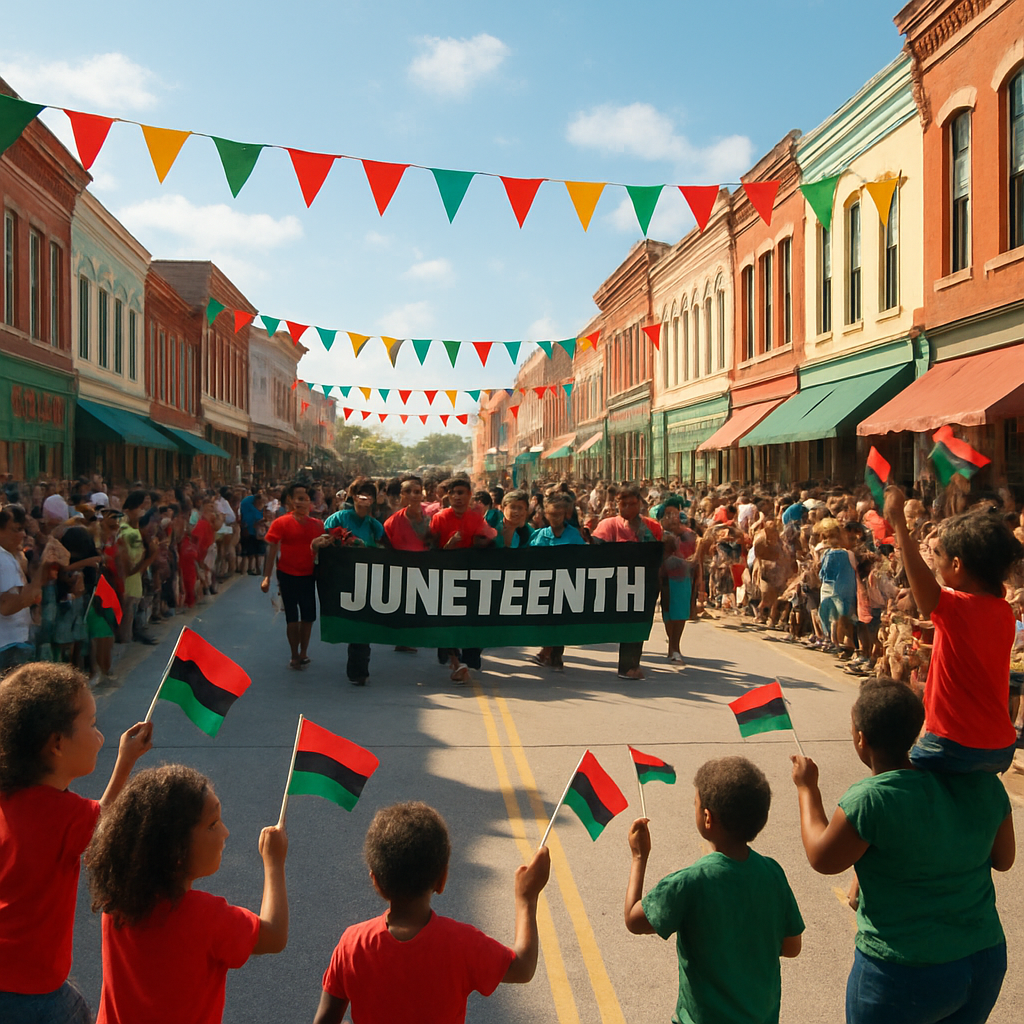
<p>In June 2021, President Biden signed the Juneteenth National Independence Day Act, making June 19th a federal holiday. The reaction across the Gulf Coast was complicated. Many in Pensacola's Black community welcomed the recognition. Others were wary: a holiday without structural change — without reparations, without addressing ongoing inequities in housing, education, and policing — risks becoming a performance of progress rather than its pursuit.</p>
<p>"We've been celebrating since before the government noticed," said one longtime organizer who has helped coordinate Pensacola's Juneteenth events for over two decades. "The federal holiday is fine. But the work is still the work."</p>
<h2>Juneteenth 2026 in Pensacola</h2>
<p>This year, as Pensacola marks another Juneteenth, the local calendar reflects the full range of what the holiday has come to hold. Church services. Cultural festivals. Historical walking tours of the north side neighborhoods where Reconstruction-era celebrations first took root. Youth spoken word performances. Vendor markets showcasing Black-owned businesses.</p>
<p>The thread connecting the first jubilee prayers in 1865 to this year's observance is unbroken. It runs through years when celebrating required courage, through decades when it sustained community under siege, and into a present moment where it serves as both celebration and demand.</p>
<p>Freedom, as Pensacola's Black community has always known, is not a date on a calendar. It is ongoing work. Juneteenth says: we remember who did that work, we honor them, and we continue.</p>
<p class="further-reading"><strong>Further reading:</strong> <a href="/articles/fort-pickens-beacon-of-freedom">Fort Pickens: A Beacon of Freedom on the Gulf Coast</a> · <a href="/articles/belmont-devilliers-neighborhood-changed-everything">Belmont-DeVilliers: A Neighborhood That Changed Everything</a> · <a href="/articles/women-who-built-black-pensacola">The Women Who Built Black Pensacola</a></p>
Get stories like this in your inbox every week
The Pensacola Beacon covers Black culture, history, and community on the Gulf Coast.